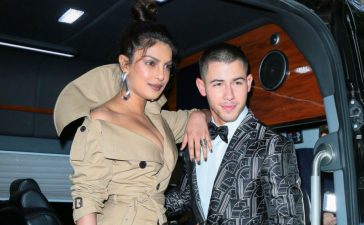

The world of celebrities has always captivated public attention, shaping fashion, lifestyle, media trends, and even social values. From the golden age of Hollywood to the rise of digital influencers, celebrities have evolved from screen icons to global brands with unparalleled reach. Their influence extends beyond entertainment, impacting culture, politics, business, and social movements. This article explores the multifaceted role of celebrities in society, the mechanisms of fame, the impact on culture and media, and the responsibilities that come with public visibility.
Historical Context of Celebrity Culture
Origins in Theater and Film
The concept of celebrity has deep roots in performance arts. In the 19th century, theater actors and opera performers were among the first public figures to gain widespread recognition. With the invention of film, early movie stars like Charlie Chaplin and Greta Garbo achieved international fame, setting the template for modern celebrity culture.
- Key Historical Milestones:
- 1910s-1920s: Silent film stars captivate global audiences
- 1930s-1940s: Hollywood studio system creates carefully curated star personas
- 1950s-1960s: Television expands celebrity reach to domestic audiences
This early celebrity culture relied heavily on public appearances, media interviews, and fan magazines to create a sense of intimacy between the star and the audience, establishing the emotional connection that drives fandom today.
Expansion Through Mass Media
With the proliferation of television, radio, and later, the internet, the mechanisms of fame expanded exponentially. Celebrities were no longer limited to film actors or musicians; sports figures, political leaders, and fashion icons became influential public figures.
- Media Influence:
- Television award shows and talk shows amplified star visibility
- Print media and tabloids created narratives around personal lives
- Early digital platforms began introducing celebrity blogs and fan sites
This expansion transformed celebrities into cultural arbiters, influencing not only entertainment but also societal norms, consumer behavior, and public opinion.
Modern Celebrity: Beyond Film and Music
The Rise of Social Media Influencers
In recent years, social media platforms such as Instagram, TikTok, and YouTube have redefined what it means to be a celebrity. Influencers leverage their online presence to reach millions of followers without traditional media intermediaries. This democratization allows individuals from diverse backgrounds to achieve fame based on creativity, relatability, or niche expertise.
- Characteristics of Modern Celebrities:
- Direct engagement with audiences through live streams and social media posts
- Monetization via brand partnerships, sponsored content, and merchandise
- Niche-focused fame, often in areas like gaming, lifestyle, or wellness
Social media celebrities often blend personal and professional personas, creating a sense of authenticity that traditional celebrities struggled to convey.
Athletes and Sports Personalities
Sports figures remain some of the most influential celebrities globally. Icons like LeBron James, Serena Williams, and Lionel Messi transcend the boundaries of their sports, influencing culture, philanthropy, and social justice initiatives.
- Impact Highlights:
- Massive endorsement deals shaping fashion and consumer trends
- Platform for social advocacy and activism
- Integration into media beyond sports, including film and digital content
Their status exemplifies how talent combined with visibility can generate cultural influence extending far beyond performance arenas.
Cultural Impact of Celebrities
Fashion and Lifestyle Trends
Celebrities significantly influence fashion and lifestyle choices. Designers and brands often rely on star endorsements to launch products or collections. The aspirational aspect of celebrity life drives trends in clothing, beauty, travel, and even diet.
- Mechanisms of Influence:
- Red carpet appearances creating iconic style moments
- Social media endorsements reaching millions in real-time
- Collaborations between celebrities and brands amplifying consumer interest
This influence is reciprocal; while celebrities shape trends, audience feedback and engagement inform how stars position themselves in the market.
Social and Political Advocacy
Celebrities wield power as public figures to advocate for causes, influence political discourse, and raise awareness about social issues. Figures like Emma Watson, Leonardo DiCaprio, and Rihanna use their platforms to champion gender equality, climate action, and global health initiatives.
- Forms of Advocacy:
- Public campaigns and fundraising events
- Social media activism and digital petitions
- Establishing foundations or non-profit organizations
While celebrity activism can be polarizing, it undeniably draws attention to issues that may otherwise remain marginalized.
Media Narratives and Public Perception
The media plays a pivotal role in shaping celebrity narratives. Public perception often hinges on coverage in news outlets, talk shows, and online platforms. Positive portrayals can enhance careers and influence cultural dialogue, while negative media attention can create controversies that dominate public discourse.
Economic Dimensions of Celebrity Culture
Brand Endorsements and Business Ventures
Celebrities often translate fame into financial success through endorsements, entrepreneurship, and investment. Celebrity-backed brands in beauty, fashion, technology, and entertainment generate substantial revenue.
- Notable Strategies:
- Product lines and collaborations (e.g., cosmetics, apparel, or lifestyle products)
- Equity stakes in startups or established businesses
- Licensing of name and likeness for commercial purposes
This integration of fame and business has created a new class of celebrity entrepreneurs who combine cultural influence with financial strategy.
Entertainment Industry Economics
Celebrities drive revenue across multiple sectors of the entertainment industry, including film, music, live performances, and streaming services. High-profile figures often command premium fees, attracting investment and boosting project visibility.
- Economic Effects:
- Increased box office and streaming revenue for productions featuring major stars
- Global marketing campaigns leveraging celebrity appeal
- Ancillary revenue streams from merchandise, touring, and public appearances
Their participation directly influences production decisions, audience engagement, and industry sustainability.
Ethical Considerations and Responsibilities
Privacy and Public Scrutiny
The life of a celebrity is often under constant scrutiny. Maintaining privacy, navigating media exposure, and managing public relations are ongoing challenges. Ethical questions arise regarding paparazzi conduct, online harassment, and the mental health of public figures.
Influence on Youth and Social Norms
Celebrities shape perceptions and behavior, particularly among younger audiences. While they can inspire positive change, they may also propagate unrealistic standards of beauty, success, or lifestyle. Awareness campaigns and responsible representation are critical to mitigating negative effects.
Philanthropy and Social Responsibility
With great visibility comes social responsibility. Many celebrities actively engage in philanthropy, leveraging fame to fund education, health initiatives, disaster relief, and human rights projects. This role reinforces the potential for celebrity influence to extend beyond commercial and entertainment value to societal benefit.
Future Trends in Celebrity Culture
Digital Transformation and Virtual Fame
The rise of virtual influencers, artificial intelligence-driven avatars, and augmented reality experiences is redefining celebrity. These digital personas can engage audiences similarly to human celebrities, blurring the line between reality and simulation.
Globalization of Celebrity Influence
With streaming platforms and global social media, celebrities now command international audiences. Cross-cultural influence is reshaping entertainment, fashion, and advocacy, creating a globalized celebrity ecosystem.
Integration with Technology and Gaming
Celebrities increasingly collaborate with gaming platforms, virtual events, and NFTs, expanding engagement beyond traditional media. This convergence provides immersive experiences for fans while creating new revenue streams.
FAQs About Celebrities
How has social media changed the way celebrities interact with fans?
Social media allows celebrities to communicate directly with audiences, bypassing traditional media. This fosters engagement, authenticity, and real-time feedback, making fans feel connected to the star’s personal and professional life.
What are the economic benefits of celebrity endorsements?
Celebrity endorsements drive consumer attention, increase brand credibility, and boost sales. Companies often see measurable impacts on revenue and brand perception when partnering with influential figures.
How do celebrities influence cultural and social trends?
Through visibility and media presence, celebrities shape fashion, behavior, and societal norms. They can promote awareness of social issues, influence political discourse, and inspire lifestyle changes among audiences.
What challenges do celebrities face regarding privacy and public scrutiny?
Celebrities constantly navigate media attention, paparazzi intrusion, and online harassment. Protecting personal privacy while maintaining public visibility requires careful management and legal safeguards.
Can celebrities impact political and social change?
Yes. Prominent figures often advocate for causes, mobilize resources, and influence public opinion. While their impact varies, celebrity activism can amplify awareness and encourage civic engagement.
How is the concept of celebrity evolving in the digital age?
Digital platforms enable non-traditional figures to gain fame through creativity and relatability. Virtual influencers, AI-generated personas, and global streaming content are expanding the definition of celebrity.
Why is responsible representation important for celebrities?
Given their influence, celebrities can shape perceptions and behaviors. Responsible representation ensures that public messaging promotes positive social values and minimizes the perpetuation of harmful stereotypes or unrealistic expectations.
Celebrities occupy a unique position in society, bridging culture, economics, and social influence. Their evolution from traditional film stars to digital icons demonstrates the dynamic nature of fame and its capacity to shape both individual behavior and collective consciousness. Understanding this complex ecosystem provides valuable insight into the power of public figures and the responsibilities that accompany their influence.
This comprehensive examination of celebrities highlights historical developments, cultural impacts, economic significance, ethical considerations, and future trajectories, offering an in-depth perspective on the enduring role of fame in shaping modern society.