The auto industry has long been a cornerstone of global economic growth, shaping technological innovation, urban development, and consumer behavior. From the early days of the Model T to the rise of electric and autonomous vehicles, the automotive sector demonstrates a remarkable blend of engineering prowess, market adaptation, and social influence. This article explores the multifaceted aspects of the auto industry, including its history, technological advancements, economic significance, environmental impact, and future trends, providing a comprehensive understanding for enthusiasts, professionals, and policy-makers alike.
The Historical Development of the Auto Industry
Early Innovations and Mass Production
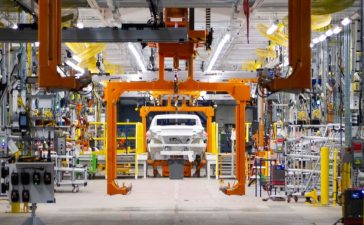
The automotive journey began in the late 19th century with pioneers like Karl Benz and Henry Ford. Benz’s creation of the first practical gasoline-powered car in 1885 laid the foundation for modern vehicles, while Ford revolutionized production with the assembly line in 1913. This innovation drastically reduced manufacturing costs, making automobiles accessible to the middle class and fostering mass consumer culture.
- Key Milestones:
- 1885: Karl Benz introduces the first gasoline-powered automobile
- 1908: Introduction of the Ford Model T
- 1913: Assembly line implementation by Henry Ford
The early auto industry not only democratized personal mobility but also created a network of associated industries, including steel, rubber, and road construction, shaping economies worldwide.
Global Expansion and Industrialization
By the mid-20th century, the auto industry had become a global enterprise. Companies expanded manufacturing facilities overseas, adapting to local markets and labor conditions. Post-World War II economic booms in Europe, Japan, and the United States accelerated vehicle production, while innovations in design, safety, and performance became central to brand differentiation.
Technological Advancements in the Automotive Sector
Engine and Powertrain Innovations
The heart of any vehicle is its engine. Traditional internal combustion engines (ICE) have seen remarkable improvements in efficiency, performance, and emissions control. Technologies such as turbocharging, direct fuel injection, and hybrid drivetrains have optimized fuel consumption while maintaining power output.
- Modern Developments:
- Turbocharged engines for enhanced performance
- Hybrid powertrains combining electric motors with ICE
- Advanced transmissions like CVTs for smoother driving experience
Electrification and Sustainable Mobility
Electric vehicles (EVs) are reshaping the auto industry. Driven by environmental concerns and government incentives, EV adoption has surged, prompting automakers to invest heavily in battery technology and charging infrastructure. Lithium-ion batteries, regenerative braking, and solid-state battery research are pivotal in increasing range, reliability, and longevity.
- EV Advantages:
- Reduced greenhouse gas emissions
- Lower operating costs compared to conventional vehicles
- Integration with smart grids and renewable energy systems
Autonomous Driving and AI Integration
Autonomous vehicles (AVs) are no longer a distant concept. Advances in artificial intelligence, machine learning, and sensor technology are enabling vehicles to navigate complex environments with minimal human intervention. Level 3 and Level 4 autonomy systems, including adaptive cruise control, lane-keeping assistance, and object recognition, promise to redefine transportation safety and efficiency.
- Autonomy Challenges:
- Regulatory compliance and legal frameworks
- Cybersecurity and software reliability
- Public acceptance and ethical considerations
Economic Significance of the Auto Industry
Employment and Supply Chains
The automotive sector is a major employer worldwide, encompassing manufacturing, design, logistics, sales, and maintenance. It supports millions of jobs directly and indirectly through related industries such as parts suppliers, fuel production, insurance, and finance.
- Impact Highlights:
- Large-scale employment generation in developing and developed nations
- Development of complex, globalized supply chains
- Investment in research and innovation hubs
Contribution to GDP and Trade
Vehicle production and sales significantly influence national GDP figures. Exporting automobiles and components boosts trade balances, while domestic consumption fuels economic activity in service and retail sectors. Countries like Germany, Japan, and the United States have historically leveraged the auto industry to maintain competitive industrial economies.
Environmental and Social Implications
Emissions and Air Quality
Traditional vehicles are significant contributors to air pollution and greenhouse gas emissions. Governments worldwide are implementing stringent emission standards, promoting fuel-efficient vehicles, and incentivizing EV adoption to mitigate environmental impact.
Urban Planning and Mobility
The proliferation of automobiles has reshaped urban landscapes. Cities face challenges such as traffic congestion, parking scarcity, and road maintenance, prompting investments in public transportation, smart traffic management, and alternative mobility solutions like e-scooters and bike-sharing systems.
Safety and Accident Prevention
Vehicle safety has dramatically improved due to advances in engineering, materials, and electronics. Features like airbags, crumple zones, stability control, and advanced driver-assistance systems (ADAS) have reduced fatalities and injuries, while ongoing research aims to eliminate human error from the equation through automation.
Future Trends in the Auto Industry
Electrification as a Core Strategy
With increasing global emphasis on sustainability, electrification is no longer optional. Automakers are transitioning entire product lines to electric, and governments are targeting the phasing out of ICE vehicles in favor of zero-emission alternatives.
Connectivity and Smart Vehicles
Connected vehicles are becoming integral to the digital ecosystem, leveraging IoT, 5G networks, and cloud computing to enable real-time diagnostics, over-the-air updates, and vehicle-to-everything (V2X) communication. These capabilities enhance convenience, safety, and efficiency.
Shared Mobility and Urban Transport Evolution
Ride-sharing, car-sharing, and micro-mobility solutions are reshaping urban transport. These services reduce personal vehicle dependency, optimize parking, and improve traffic management, signaling a shift toward more sustainable urban mobility models.
Advanced Materials and Lightweight Design
Innovations in lightweight materials like carbon fiber composites and high-strength aluminum alloys are improving fuel efficiency, handling, and vehicle longevity. These advancements are crucial in the era of electric mobility, where weight directly affects battery performance.
Real-World Applications and Industry Case Studies
- Electric Vehicle Adoption: Countries like Norway and China lead in EV penetration, demonstrating government policy effectiveness and consumer readiness.
- Autonomous Vehicle Trials: Companies and cities are conducting AV pilots to evaluate safety, traffic integration, and public response.
- Smart City Initiatives: Integrating connected vehicles with intelligent traffic systems reduces congestion and enhances commuter experiences.
FAQs About the Auto Industry
What are the major factors driving the shift toward electric vehicles?
Environmental regulations, technological advancements in battery efficiency, and government incentives are key drivers of EV adoption globally. Rising fuel costs and consumer preference for sustainable solutions also contribute.
How is autonomous driving technology changing the automotive landscape?
Autonomous driving integrates AI, sensors, and connectivity to reduce human error, improve safety, and optimize traffic flow. It also enables mobility services and new business models in logistics and urban transportation.
What role does the auto industry play in economic development?
The auto industry contributes significantly to GDP, generates employment across multiple sectors, drives exports, and fosters innovation in manufacturing and technology, thus bolstering economic growth.
How are automakers addressing environmental concerns?
Automakers are investing in EV technology, hybrid systems, and fuel-efficient engines. They are also exploring sustainable materials, carbon-neutral manufacturing processes, and partnerships for renewable energy integration.
What trends should consumers expect in vehicle design and technology?
Expect more electric models, connected car features, advanced driver-assistance systems, and lightweight, efficient designs. Urban mobility trends will also influence vehicle size, utility, and integration with shared transport services.
How do safety regulations influence vehicle development?
Safety standards mandate features like airbags, stability control, and crash-resistant structures. Automakers invest heavily in R&D to meet or exceed these standards, integrating advanced technologies for accident prevention and occupant protection.
What is the future outlook for global auto markets?
Global auto markets are expected to prioritize electrification, connectivity, and shared mobility. Emerging economies will see growth in vehicle ownership, while developed markets may emphasize sustainability, autonomous vehicles, and urban mobility solutions.
The auto industry is a dynamic sector at the intersection of technology, economics, and societal transformation. Its evolution from the Model T to electric and autonomous vehicles highlights humanity’s ingenuity and adaptability. As it continues to advance, the industry will not only redefine transportation but also play a pivotal role in shaping sustainable, connected, and efficient societies worldwide.
This article encompasses detailed insights into historical developments, technological innovations, economic impacts, environmental considerations, and future trends, providing a robust foundation for anyone seeking a deep understanding of the automotive world.