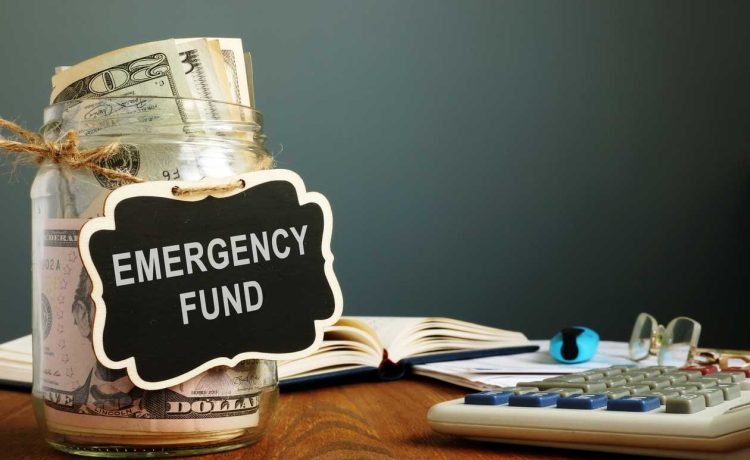
Financial stability is not built on income alone. It depends on preparation. An emergency fund acts as a financial buffer that protects you from unexpected events such as medical bills, job loss, urgent home repairs, or car breakdowns. Without savings set aside for these situations, even a minor disruption can lead to debt and long-term financial stress.
An emergency fund is not an investment or a luxury—it is a foundational tool for financial security.
What Is an Emergency Fund?
An emergency fund is a dedicated pool of money reserved specifically for unplanned expenses. It should be:
- Easily accessible
- Kept separate from everyday spending accounts
- Used only for genuine emergencies
This fund is not for vacations, shopping, or planned purchases. It exists solely to protect you from financial shocks.
Why Emergency Funds Matter
1. Protection Against Debt
Unexpected expenses often push people toward credit cards or personal loans. High-interest debt can quickly spiral out of control. Having savings available allows you to cover costs without borrowing.
2. Income Loss Security
Job loss or reduced work hours can happen without warning. An emergency fund provides time to search for new employment without making desperate financial decisions.
3. Reduced Financial Stress
Money uncertainty is one of the leading causes of anxiety. Knowing you have a safety net reduces pressure and allows for clearer decision-making during crises.
4. Greater Financial Flexibility
With savings in place, you can handle emergencies while continuing to pay regular bills, protecting your credit score and long-term financial goals.
5. Prevents Disruption of Long-Term Investments
Without emergency savings, people often withdraw from retirement accounts or long-term investments. This interrupts growth and may trigger penalties or taxes.
How Much Should You Save?
The right amount depends on your situation, but general guidelines include:
- Starter fund: $500 to $1,000 for beginners
- Standard goal: 3–6 months of essential living expenses
- Higher-risk situations: 6–12 months if self-employed or working unstable income jobs
Focus on covering necessities such as:
- Housing
- Utilities
- Food
- Insurance
- Transportation
- Minimum debt payments
Calculate your monthly essential expenses and multiply accordingly.
Where to Keep an Emergency Fund
Your emergency savings should be:
- Liquid (easy to access)
- Low risk
- Separate from daily spending
Common options include:
- High-yield savings accounts
- Money market accounts
- Separate savings accounts at your bank
Avoid investing emergency funds in stocks or volatile assets, as market drops can reduce access to needed cash.
How to Build an Emergency Fund
Building savings may seem overwhelming, but consistency matters more than speed.
Step 1: Start Small
Even saving $25–$50 per week builds momentum.
Step 2: Automate Contributions
Set up automatic transfers to remove the temptation to skip deposits.
Step 3: Reduce Non-Essential Spending
Redirect money from subscriptions, dining out, or impulse purchases toward your fund.
Step 4: Use Windfalls Wisely
Tax refunds, bonuses, or monetary gifts can accelerate savings growth.
Step 5: Replenish After Use
If you withdraw from your fund, make rebuilding it a priority.
When to Use an Emergency Fund
Use your savings only for true emergencies, such as:
- Medical emergencies
- Sudden job loss
- Essential home repairs
- Urgent car repairs
- Unexpected travel due to family emergencies
If the expense is predictable or optional, it does not qualify.
Common Mistakes to Avoid
- Using the fund for non-emergencies
- Keeping it in an account that is too hard to access
- Failing to replenish after withdrawals
- Saving too aggressively without covering basic living needs
Balance is key. Your emergency fund should protect your financial life, not strain it.
The Long-Term Impact
An emergency fund does more than cover expenses. It:
- Protects your credit score
- Preserves investment growth
- Encourages disciplined financial habits
- Creates confidence in uncertain times
Financial resilience begins with preparation, not prediction.
Frequently Asked Questions (FAQ)
1. Can I invest my emergency fund to earn higher returns?
Emergency funds should remain in low-risk, liquid accounts. Investments can fluctuate in value, which defeats the purpose of guaranteed access during emergencies.
2. Should couples combine their emergency funds?
Couples can maintain a joint fund covering shared expenses while also keeping small individual reserves for personal flexibility.
3. How long does it usually take to build a full emergency fund?
The timeline varies based on income and savings rate. Many people reach a starter fund within a few months and a full reserve within one to two years.
4. What if I have debt—should I save or pay off debt first?
Build a small starter emergency fund first. After that, balance debt repayment with continued savings contributions.
5. Is an emergency fund necessary if I have insurance?
Insurance reduces risk but does not eliminate deductibles, delays, or uncovered costs. Savings fill those gaps.
6. Should retirees maintain an emergency fund?
Yes. Even in retirement, unexpected expenses such as medical costs or home repairs can arise.
7. Can freelancers or self-employed individuals rely on irregular income instead?
Irregular income increases the need for savings. A larger emergency fund provides stability during slow periods.