
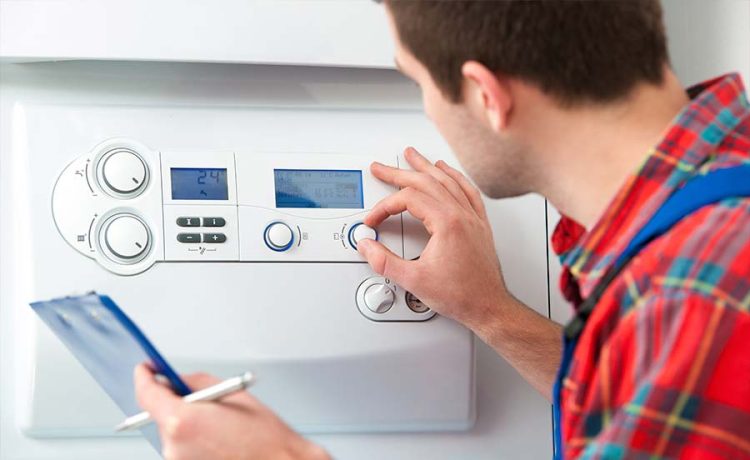
When your boiler stops working during winter, it’s a major inconvenience – especially when heating demand is at its peak. Whether you’re left without heating, hot water or both, acting quickly and calmly can help limit the disruption and get things working again.
Not sure what to do when the heating goes off? Here’s how to troubleshoot a boiler breakdown and get things back on track.
First steps to take when the boiler stops working
If your boiler suddenly goes off or won’t start, don’t panic. There are a few simple checks you can try before assuming it’s a serious problem. In many cases, the fix is quicker than you’d think.
- Is it getting power?
Start by making sure the boiler is switched on and receiving power. Check your fuse box for any tripped switches, and see if the display panel on the boiler is blank – that’s usually a sign it’s lost electricity. - Check the pressure
Most boilers work best when the pressure is between 1.0 and 1.5 bar. If it drops too low, the boiler might shut off for safety. You might be able to top it up using the filling loop, but it’s worth checking your manual if you’re not sure how. - Try resetting it
Many boilers have a reset button – pressing it once and waiting a minute or two can sometimes clear a temporary fault. - Look at the thermostat and timer
Make sure the thermostat is set high enough and that the timer settings haven’t changed – especially after a power cut or clock change. - Note any error codes
If your boiler has a digital display, it might be showing an error or fault code. Jot it down – it could point to a specific issue. You can often look it up in the boiler’s manual or on the manufacturer’s website to get an idea of what the problem might be. If you end up calling an engineer, having the code ready can help them diagnose the fault more quickly.
Common reasons boilers break down in winter
When the temperature drops, your boiler has to work a lot harder – and that can bring underlying problems to the surface. These are some of the most frequent causes of winter breakdowns:
Frozen condensate pipe:
This is a classic cold-weather problem. The pipe that drains waste water from your boiler can freeze if it runs outside. If it does, the boiler will often shut down. You can usually thaw it gently with warm (not boiling) water.
Low pressure:
Pressure in the system can drop over time, especially if there’s a small leak somewhere. If it gets too low, the boiler might switch itself off to avoid damage.
Worn-out parts:
Components like pumps or motors can struggle after years of use – especially when the system’s under more pressure in winter.
Ignition problems:
If the boiler can’t light, it won’t run. That could be down to a faulty spark electrode, an issue with the gas supply, or a built-in safety feature kicking in.
Thermostat or sensor issues:
Sometimes it’s not the boiler itself – it’s the controls. A faulty thermostat or temperature sensor can confuse the system into thinking it doesn’t need to fire up.
When to call an engineer
Some boiler problems are simple to sort out yourself, but others are best left to a professional. It’s time to call in an engineer if:
- You’ve gone through the basic checks and it’s still not working
- You notice any leaks, rust or signs of damage
- You smell gas or think there might be a carbon monoxide issue – in that case, get out of the house and call the emergency gas number straight away
- The boiler is making strange or loud noises you haven’t heard before
- An error code points to a fault that’s not covered in the manual
If it’s an urgent issue, look for a heating engineer who offers emergency boiler repairs. Some services prioritise breakdowns during winter and may be able to get someone to you the same day.
How to stay warm while waiting for repairs
If your heating’s off and you’re waiting for help, there are a few things you can do to stay as comfortable as possible:
- Use portable heaters safely – They can keep one room warm while you wait, but always follow safety advice and don’t leave them on unattended
- Keep the heat in – Close doors to unused rooms and draw curtains to hold in warmth
- Dress in layers – Wearing a few thinner layers traps heat better than one bulky item
- Watch your pipes – If the temperature drops low enough, unheated pipes might freeze. If you suspect a frozen or burst pipe, turn off the water supply and call for help
Reducing the risk of future problems
Once your heating is back on, it’s worth taking a few simple steps to reduce the chances of another breakdown next time the temperature drops:
- Book an annual service – regular maintenance helps spot small problems before they become bigger ones
- Lag exposed pipes – especially outside ones like the condensate pipe, which can freeze easily in winter
- Keep an eye on pressure – topping it up now and then can stop your boiler from shutting off unexpectedly
- Keep the heating ticking over during cold snaps – even setting it to run at a low level overnight or while you’re out can stop pipes freezing and avoid putting the boiler under strain when it switches back on.
A boiler breakdown in winter is never ideal, but it doesn’t always mean a long wait or a major repair. Knowing how to run through a few quick checks, understanding common winter issues, and getting help early can make a big difference.
And once things are back up and running, a bit of simple maintenance can go a long way in keeping your system reliable through the rest of the season.