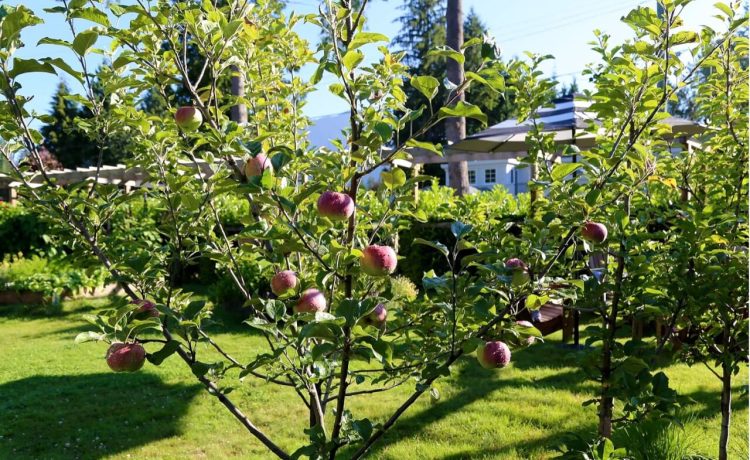
Homeowners across the United Kingdom are turning limited garden spaces into productive assets by establishing compact orchards. These installations provide seasonal fruit yields while enhancing biodiversity and property value. With careful planning, even a modest plot of 50 square metres can support a variety of trees, yielding apples, pears, and plums year after year. This approach aligns with growing interest in self-sufficiency amid rising food costs and environmental concerns. The following outlines seven practical strategies to create such an orchard, drawing on established horticultural principles suited to British climates.
The fruit trees specialists at Fruit-Trees nursery emphasise the importance of selecting compact varieties for constrained areas: “In small gardens, dwarf rootstocks enable trees to thrive without dominating the landscape, ensuring both productivity and aesthetic balance.” For options in this category, consider dwarf pear trees. When embarking on this project, it is advisable to buy fruit trees from established suppliers to guarantee healthy stock adapted to local conditions.
Evaluate Site Conditions Thoroughly
The foundation of any successful small orchard lies in a meticulous assessment of the available site. Begin by mapping the garden’s dimensions, noting fixed features such as patios, sheds, or boundary fences that may restrict planting zones. In the UK, where gardens often measure less than 100 square metres, prioritising vertical space becomes essential. Measure sunlight exposure using a simple tool like a sunlight meter or by observing shadow patterns over a full day during midsummer. Most fruit trees require at least six hours of direct sun daily to produce viable crops; apples and pears tolerate partial shade better than stone fruits like cherries.
Soil analysis follows site mapping. Collect samples from several points and test for pH, nutrient levels, and drainage using kits available from garden centres or local agricultural extensions. British soils vary widely—from the acidic clays of Devon to the alkaline loams of East Anglia—so amendments like lime or sulphur may be necessary to achieve the neutral pH (6.0–7.0) preferred by most fruit species. Poor drainage, common in heavy clay subsoils, can be addressed by incorporating grit or raised beds, preventing root rot in wet winters.
Consider microclimates created by walls or hedges, which can extend the growing season in cooler regions like Scotland. Wind exposure is another factor; exposed sites benefit from shelter belts of hardy shrubs. Integrating these evaluations ensures trees establish robust root systems early, reducing long-term maintenance. For instance, positioning apples against a south-facing wall captures warmth, mimicking commercial orchard techniques adapted for domestic scale. This methodical approach not only maximises yield but also minimises failures, allowing gardeners to allocate resources effectively from the outset.
Once site suitability is confirmed, proceed to variety selection, where dwarf cultivars shine. These trees, grafted onto size-controlling rootstocks like M27 for apples, mature at heights under three metres, fitting neatly into urban plots. Historical data from the Royal Horticultural Society indicates that such selections can yield up to 20 kilograms of fruit per tree annually after three years, comparable to larger specimens but in a fraction of the space. By aligning site conditions with tree needs, the orchard integrates seamlessly into the garden’s ecosystem, supporting pollinators and soil health through fallen leaves and prunings.
Select Compact and Climate-Resilient Varieties
Choosing the right fruit tree varieties is crucial for a small orchard’s viability, particularly in the UK’s variable weather. Opt for dwarf or semi-dwarf rootstocks that limit growth while maintaining productivity. Apples on MM106 rootstock, for example, reach about 3.5 metres, ideal for back gardens, and varieties like ‘Discovery’ offer early harvests resistant to scab, a prevalent fungal issue in humid conditions.
Pears and plums follow suit; ‘Conference’ pears on Quince A rootstock provide reliable crops with minimal intervention, while ‘Victoria’ plums dominate for their self-fertility, eliminating the need for multiple pollinators in tight spaces. For diversity, include soft fruits like blueberries in containers nearby, extending the harvest without additional tree planting. Climate resilience is paramount: select cultivars bred for British conditions, such as those trialled at East Malling Research, which withstand late frosts and heavy rains.
Pollination dynamics influence selection too. Most apples require a compatible partner within 50 metres; planting ‘Cox’s Orange Pippin’ alongside ‘Worcester Pearmain’ ensures cross-pollination. In solitary gardens, crab apples serve as universal pollinators, adding ornamental value with spring blossoms. Genetic diversity also bolsters resilience against pests like codling moth, reducing reliance on chemicals.
Sourcing plays a key role here. Reputable nurseries certify disease-free stock, vital for longevity. Varieties should align with regional hardiness zones; in northern England, cold-tolerant ‘James Grieve’ apples outperform southern heat-lovers. This curated selection not only optimises space but fosters a balanced ecosystem, where trees support wildlife—birds control aphids, in turn. Over time, such an orchard evolves into a low-input system, yielding fruit for preserves, baking, and fresh consumption, embodying sustainable gardening principles tailored to contemporary lifestyles.
Optimise Soil and Planting Layout
Effective soil management underpins orchard health, transforming ordinary garden earth into a fertile medium. Start with a comprehensive soil test to identify deficiencies; incorporate organic matter such as composted manure at 5–10 kilograms per square metre to improve structure and microbial activity. In sandy soils common to parts of Essex, this retains moisture; in compacted urban clays, it enhances aeration.
Planting layout demands precision. Arrange trees in a grid or staggered rows, spacing dwarfs at 2.5–3 metres apart to allow air circulation, curbing diseases like powdery mildew. Central paths of 1 metre width facilitate access for pruning and harvesting, while edging with low-growing herbs prevents grass competition. Raised beds, constructed from untreated timber, elevate roots above waterlogged ground, a boon in flood-prone areas like the Midlands.
Timing is critical: plant bare-root trees from November to March, when dormant, ensuring establishment before summer growth. Dig holes twice the root ball’s width, backfilling with a mix of native soil and mycorrhizal fungi inoculants to promote symbiosis. Water deeply post-planting—20 litres per tree weekly initially—to settle roots.
Mulching with bark chips suppresses weeds and conserves moisture, a practice endorsed by the National Trust for heritage orchards. Integrate nitrogen-fixing plants like clover between rows to naturally enrich soil, reducing fertiliser needs. This layout not only streamlines maintenance but creates a visually cohesive feature, blending productivity with design. As trees mature, their canopy provides dappled shade, ideal for underplanting with shade-tolerant perennials, further diversifying the garden’s output.
Incorporate Structural Training Techniques
Training fruit trees structurally maximises vertical space in confined areas, turning potential obstacles into advantages. Espaliering, a technique refined in French orchards but adaptable to British walls, involves wiring horizontal branches to create fan or cordon shapes. Apples like ‘Golden Delicious’ respond well, producing fruit along spurs within a 2-metre by 3-metre frame, perfect for sunny boundaries.
Cordon training suits fences: oblique or vertical stems spaced 45 centimetres apart yield prolifically without sprawling. Plums and pears, pruned annually in late winter, maintain form while exposing fruit to light, enhancing colour and sweetness. Tools required are minimal—a sturdy framework of galvanised wire and ties—making it accessible for amateur gardeners.
Step-over apples, low horizontal branches at knee height, delineate paths elegantly, combining utility with whimsy. These varieties, available from specialist growers, border vegetable beds, deterring pests through physical barriers. In container orchards on patios, dwarf cherries in 50-litre pots trained as pyramids occupy mere 1 square metre each.
Benefits extend beyond space-saving: trained trees ripen fruit evenly, simplifying picking, and improve airflow, mitigating fungal risks in damp climates. Regular pruning—removing watershoots and thinning—sustains shape, a skill honed through observation rather than complexity. This method draws from historical walled gardens, like those at Sissinghurst, proving timeless efficacy. By employing these techniques, small orchards become architectural elements, harmonising with modern homes while delivering bountiful, accessible harvests.
Integrate Smart Irrigation and Monitoring
Efficient water management is essential for small orchards, where resources must stretch further. Drip irrigation systems, delivering 2–4 litres per hour directly to roots, conserve water compared to overhead sprinkling, aligning with UK water restrictions during dry spells. Install timers linked to rain gauges to automate delivery, ensuring trees receive 25–50 litres weekly, adjusted for rainfall data from the Met Office.
Soil moisture sensors, affordable at under £20, provide real-time feedback via apps, preventing overwatering that invites root diseases. For tech-savvy users, integrating these with smart home hubs allows remote adjustments, ideal for holiday periods. Mulch layers of 10 centimetres thick further reduce evaporation, a simple yet effective measure.
Pest and disease monitoring complements irrigation. Sticky traps and pheromone lures detect codling moths early, while apps like Plantix identify issues via photo uploads, recommending organic remedies. In biodiversity-focused designs, encourage natural predators by planting nectar-rich borders—lavender for bees, which in turn aid pollination.
Fertilisation ties into this system: apply balanced NPK feeds in spring, diluted through drippers for precision. Record-keeping via journals or digital logs tracks responses, refining practices annually. This integrated approach minimises labour, with systems paying for themselves through saved time and reduced crop losses. In essence, smart irrigation transforms maintenance from chore to streamlined routine, ensuring the orchard’s sustainability in an era of climate variability.
Foster Biodiversity Through Companion Elements
A thriving small orchard embraces biodiversity, where fruit trees coexist with complementary plants to enhance resilience. Underplant with ground covers like comfrey, which accumulates potassium for natural mulching, or strawberries for dual yields. These suppress weeds and attract beneficial insects, reducing aphid populations by up to 40 per cent, as noted in organic farming studies.
Hedgerows of native species—hawthorn for birds, dogwood for butterflies—encircle the plot, providing windbreaks and habitats. In urban settings, vertical planters on fences host climbing peas, fixing nitrogen to benefit tree roots. Avoid allelopathic plants like walnuts, which inhibit growth.
Seasonal succession amplifies diversity: early-flowering cherries draw pollinators for later apples. Wildlife ponds, even modest 1-metre diameters, support frogs that control slugs. This ecosystem approach mirrors permaculture principles, cycling nutrients through leaf litter composting on-site.
Monitoring biodiversity yields insights; log pollinator visits to correlate with fruit set, adjusting plantings accordingly. Such integration not only boosts yields—cross-pollination increases by 20–30 per cent—but fosters a self-regulating garden, less vulnerable to monoculture pests. For British gardeners, this means aligning with countryside stewardship ethos, creating oases amid suburbia that support local ecology while providing personal bounty.
Plan for Long-Term Harvest and Adaptation
Sustaining a small orchard requires forward-thinking harvest strategies and adaptive management. Stagger maturities by mixing early, mid, and late varieties—’Earlirise’ apples in July, ‘Bramley’ in October—for continuous supply. Netting against birds, installed post-blossom, protects crops without chemicals.
Post-harvest, process surpluses: apples store in cool, dark sheds at 3–5°C for months, while plums freeze well for jams. Pruning cycles—summer for shape, winter for structure—maintain vigour, removing deadwood to prevent canker.
Adaptation addresses change; as trees age, replace underperformers with resilient grafts. Climate shifts may necessitate shade cloth for heatwaves or fleece for frosts. Community swaps via local horticultural societies extend variety access, building networks.
Economic evaluation tracks returns: a mature dwarf tree costs £20–30 initially but yields £50+ annually in fruit value. This planning ensures the orchard remains a valued asset, evolving with family needs. Ultimately, it embodies prudent stewardship, yielding not just fruit but satisfaction in cultivated abundance.